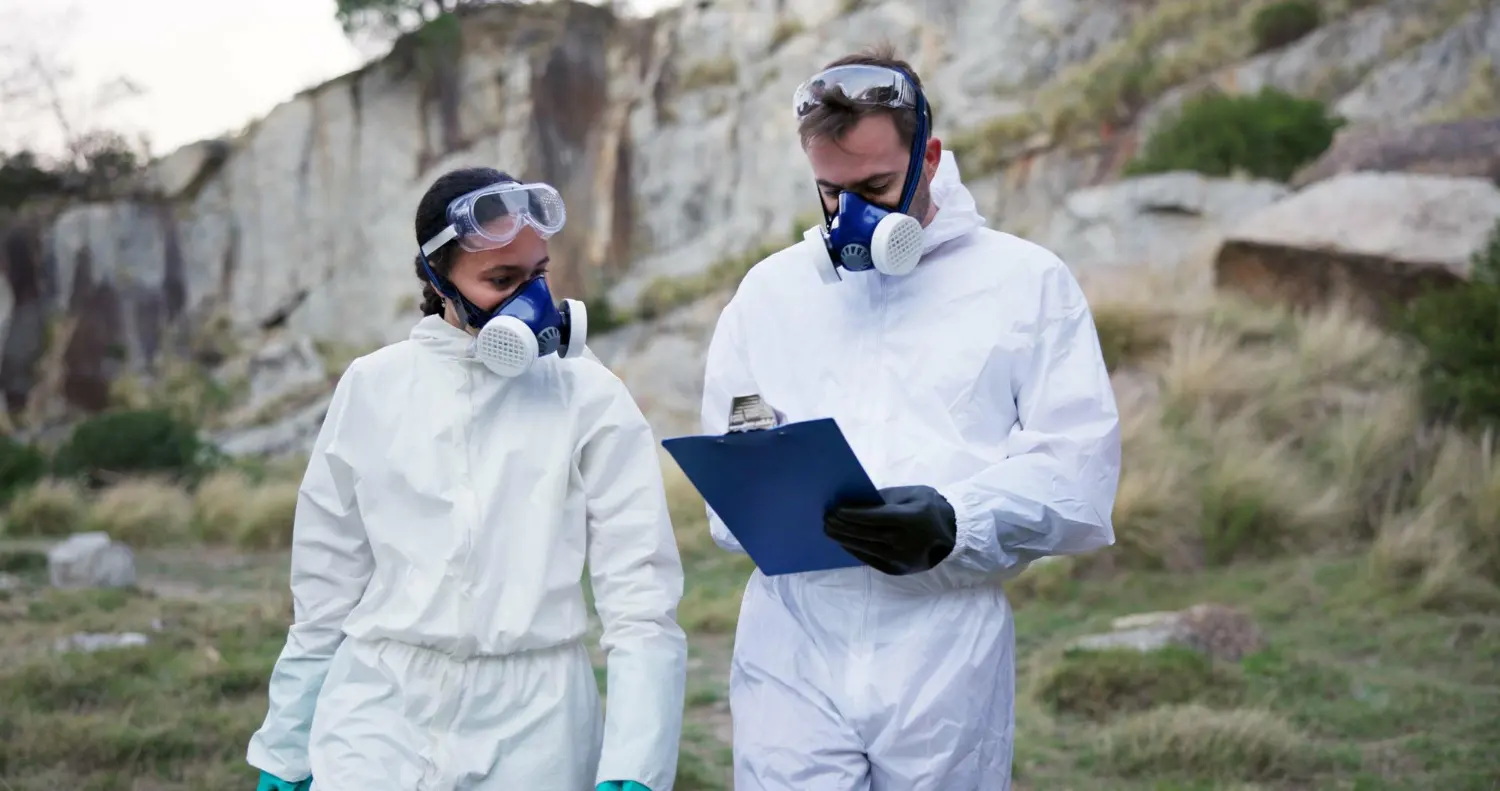
Government Services Tax Guide for Biosecurity Officers
Working in quarantine and border control roles comes with unique deduction opportunities. Applying practical government services tax tips helps biosecurity officers correctly claim eligible biosecurity inspection work expenses. Whether completing a quarantine services tax return or reviewing regulatory enforcement tax return obligations, understanding tax deductions biosecurity officers can claim reduces errors and improves compliance with Australian tax law.
What Does a Biosecurity Officer Do? Roles, Responsibilities & Skills
Biosecurity Officers protect agricultural, environmental and public health systems by preventing, monitoring and responding to pests, diseases and contaminants. Duties include inspecting goods, livestock, plants and cargo; monitoring high-risk sites conducting field sampling; preparing incident reports; enforcing compliance with biosecurity laws; educating stakeholders; and assisting in emergency responses. The role requires scientific knowledge, field tools, PPE, travel, regulatory training, and
ongoing updates on biosecurity risks and legislation.
Typical Tax Deductions Include:
- Professional memberships – Biosecurity, agricultural, quarantine, environmental or scientific associations
- Training, CPD & courses – Biosecurity legislation, pest/disease identification, sampling methods, risk assessment
- Laptop/desktop (> $300 depreciated) – Used for reporting, compliance systems, data entry and private use (must depreciate and apportion private use)
- Small tools – Sampling kits, knives, magnifiers, specimen jars if not supplied by the employer
- Reference materials – Pest and disease identification guides, legislation manuals and technical resources
- Software – Compliance tracking systems, sampling apps, mapping tools (work-use portion only)
- Home-office running expenses (approved method) – Reporting, case notes, administration or training completed from home
- Work-related travel – Travel to ports, airports, farms, warehouses, border checkpoints or incident locations (non-reimbursed travel only)
- Stationery & planning materials – Sampling logs, incident reports and evidence sheets
- Professional insurance – Deductible for independent consultants (rare in employee roles)
- Marketing & website costs – For contractors offering biosecurity services
- Tax agent & bookkeeping fees – Deductible
Non-Deductible Expenses Include:
- Uniforms or PPE supplied by the employer – Not deductible
- Clothing or boots not employer-branded – Generally private
- Home gardening supplies or pest-control products – Private
- Home-office occupancy costs – Rent, mortgage interest and council rates are not deductible
- Travel: home ↔ regular office, depot or checkpoint – Private
- General hobby, pest-control or gardening courses – Not deductible
- Equipment used partly for personal gardening or pest control – Must apportion private use
- 100% claims for laptop, phone or internet – Must apportion private use
Click here to see Tax Calculator for Biosecurity officer.
Frequently Asked Questions
1. Are gloves and safety gear deductible?
Yes, protective items used for biosecurity officer tax deductions purposes may qualify.
2. Can I claim mobile phone usage?
Work-related use connected to border biosecurity tax deductions may be partially claimable.
3. Do shift allowances affect deductions?
Allowances declared in your quarantine services tax return may impact claims.
4. Is travel to rural inspection zones deductible?
Travel tied to agriculture protection tax refund activities may qualify.
5. What if I work under an ABN?
ABN holders must ensure regulatory enforcement tax return expenses are properly documented.