Key Hydroponics Grower Tax Deductions You Might Miss
Many growers overlook smaller yet deductible items, such as lab testing kits, pH meters, and irrigation controllers. Even stationery, data-tracking subscriptions, and labels used for crop management qualify. Recording all indoor farming work expenses ensures your hydroponic farming tax return is accurate. Knowing which costs fall under controlled environment farming tax return claims helps maximise your refund while keeping your hydroponics grower tax deductions fully compliant.
Role and Responsibilities of Hydroponics Growers
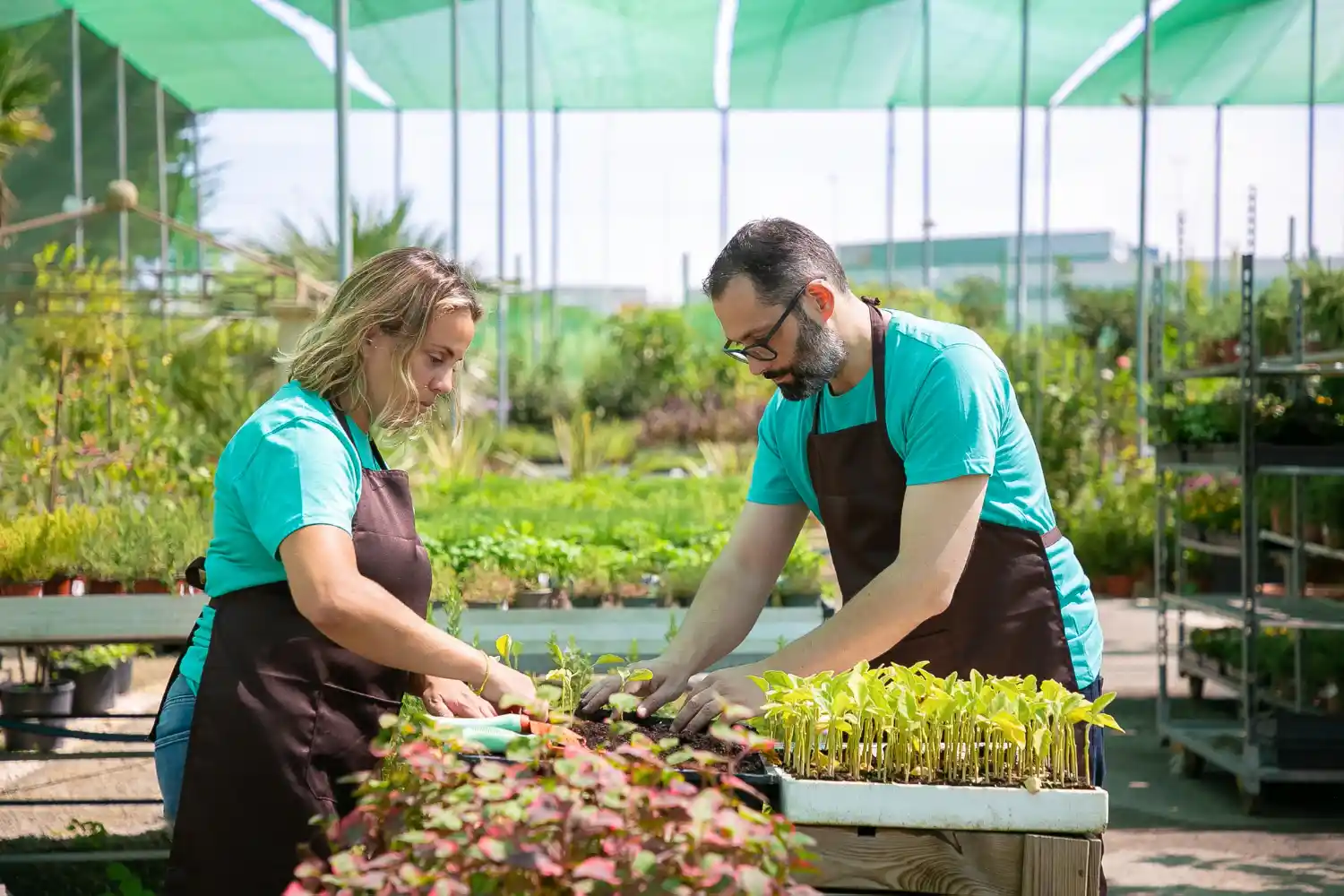
Hydroponic growers cultivate crops using soil-free systems such as the nutrient film technique (NFT), drip systems, deep-water culture, vertical farms, and controlled-environment agriculture. Duties include monitoring nutrient levels, adjusting pH, managing lighting and climate systems, planting, harvesting, pest control, maintaining equipment, recording production data, packaging produce and complying with food-safety regulations. The role often requires specialist equipment, technology-driven processes, and consistent environmental monitoring.
Typical Tax Deductions Include:
- Professional memberships – Horticulture, hydroponics, or protected cropping associations
- Training, CPD & courses – Hydroponic systems, plant nutrition, pest management, WHS training
- Laptop or tablet (> $300) – Depreciated; used for monitoring data, reporting, crop planning; must apportion private use
- Mobile phone & data – Work-use apportionment only
- Specialist tools and equipment – EC/pH meters, timers, small tools, testing kits (if not employer-supplied)
- Reference materials – Horticulture guides, nutrient management manuals
- Home-office running expenses – Approved method only; planning, reporting, and training
- Work-related travel – Travel to greenhouses, suppliers, and field sites (non-reimbursed only)
- Stationery and consumables – Labels, tags, notebooks, crop records
- Protective gear – Gloves, masks, safety goggles (if not provided by employer)
- Professional insurance – Self-employed growers only
- Marketing and website costs – For growers selling directly under an ABN
Non-Deductible Expenses Include:
- Everyday clothing, hats, and boots – Private
- Home-grown hydroponic equipment used personally – Private unless used solely for employment duties
- Meals during standard work shifts – Private
- Travel: home ↔ regular greenhouse or production site – Private
- General gardening items for personal use – Private
- Electricity costs for home systems – Not deductible unless exclusively work-related and employer-required
- Phone, internet, and laptop – 100% claim only if used exclusively for work; otherwise must apportion private use
Click here to see Tax Calculator for Hydroponics grower.
Frequently Asked Questions
- Which purchases are most important to track?
Track hydroponics grower tax deductions for all equipment, safety gear, and consumables. - Are workwear costs deductible?
Yes, protective clothing used for hydroponic farm work can be included in your tax claim. - Can software subscriptions be claimed?
Yes, subscriptions for crop monitoring support indoor farming work expenses. - Do minor consumables count?
Yes, labels, tags, and notebooks used exclusively for work qualify for greenhouse crop production tax deductions. - How can I stay organised for my tax return?
Keep detailed receipts and logs to make your controlled environment farming tax return accurate and compliant.