Circus Performer Tax Deductions for Live Performance Income
Circus professionals who earn from touring shows or stage acts often overlook valid circus performer tax deductions when preparing a live performance tax return. Many entertainment performance work expenses such as costume maintenance, rehearsal space hire, and equipment used in shows may be claimable. Understanding tax deductions performers can claim helps circus artists lodge an accurate entertainment services tax return and potentially increase their stage performance tax refund.
Work-Related Expenses for Circus Performers – Australian Tax Guide
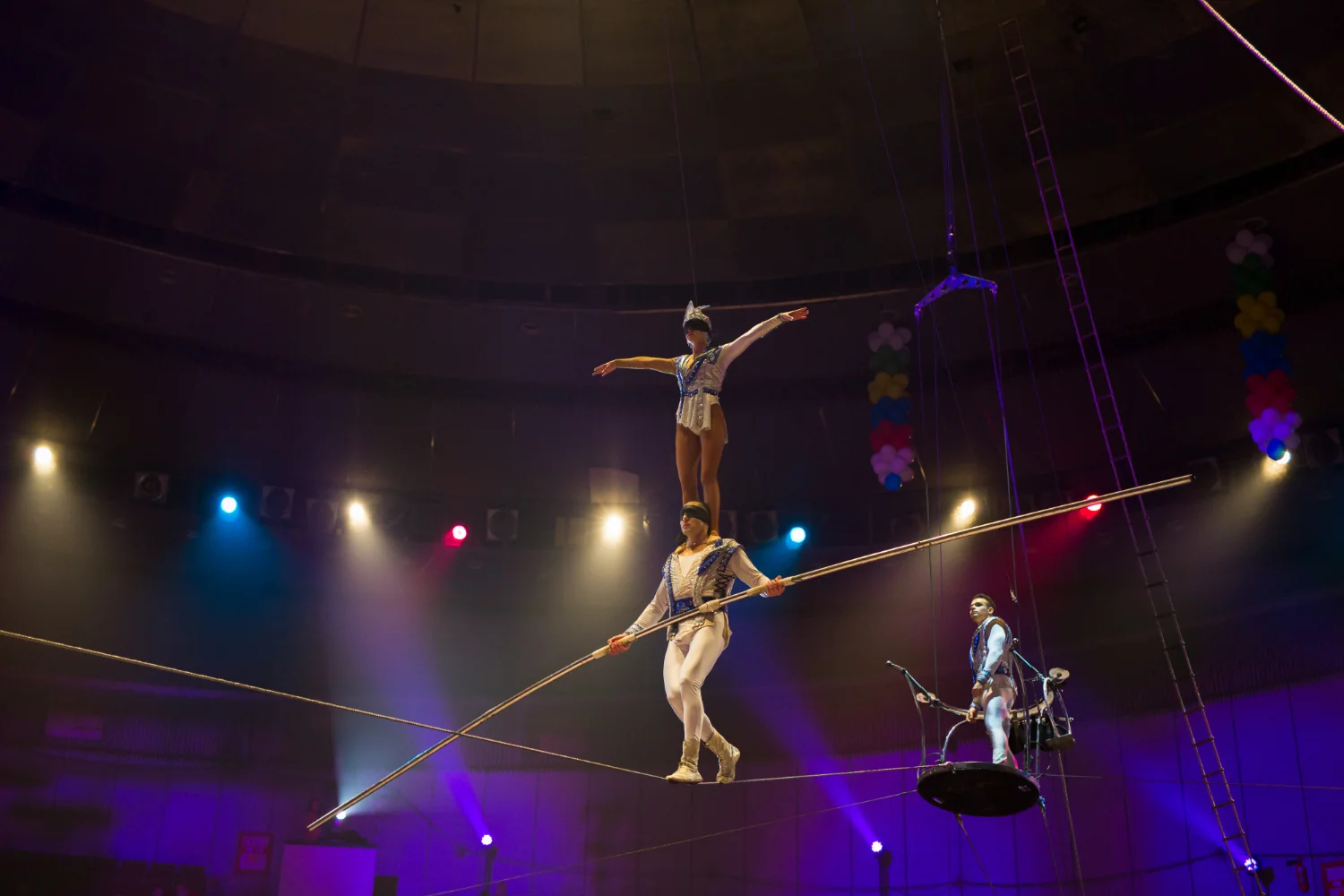
Circus Performers entertain audiences through acrobatics, aerials, juggling, clowning, magic, contortion, balancing, physical theatre and specialty acts. Duties include rehearsing routines, maintaining equipment, developing choreography, travelling for performances, participating in costume fittings, collaborating with directors and riggers, undertaking strength and conditioning training, and meeting strict safety standards. The role requires specialised performance equipment, costumes, makeup, props, physical conditioning, and ongoing training.
Typical Tax Deductions Include:
- Professional memberships – Performing arts, circus, physical theatre or entertainment associations
- Training, CPD & courses – Acrobatics, aerial arts, physical theatre, dance, stage combat and safety/rigging training
- Laptop/desktop (> $300 depreciated) – Used for choreography planning, music editing and administration (must depreciate and apportion private use)
- Performance equipment – Aerial silks, juggling props, unicycles, mats, hoops and rigging tools if not supplied by the employer
- Costumes – Deductible only if occupation-specific and not suitable for everyday wear
- Makeup – Deductible only if performance-specific (e.g. stage makeup or character styling)
- Reference materials – Choreography guides, training manuals and performance theory resources
- Software – Music editing tools, choreography applications and video storage platforms (work-use portion only)
- Home-office running expenses (approved method) – Planning, choreography development and administration completed from home
- Work-related travel – Tour travel, rehearsals, auditions and workshops (non-reimbursed travel only)
- Stationery & planning materials – Notebooks, cue sheets and choreography logs
- Professional insurance – Public liability or performer insurance for contractors
- Marketing & website costs – Showreels, advertising and portfolio hosting
- Tax agent & bookkeeping fees – Deductible
Non-Deductible Expenses Include:
- General gym memberships – Private unless directly related and specifically required for current income-earning duties (rare)
- Everyday clothing – Not deductible
- Personal costumes used for recreational purposes – Not deductible
- Home-office occupancy costs – Rent, mortgage interest and council rates are not deductible unless strict eligibility rules are met
- Travel: home ↔ regular training studio – Private
- General dance or fitness classes not directly tied to performance duties – Not deductible
- Props or equipment used recreationally – Not deductible
- 100% claims for laptop, phone or internet – Must apportion private use
Click here to see Tax Calculator for Circus performer.
Frequently Asked Questions
1. What are common circus performer tax deductions?
Common circus performer tax deductions include costume repairs, props, and rehearsal expenses used directly in performances. These entertainment performance work expenses must relate to income-earning activities.
2. Can circus artists claim training or rehearsal costs?
Yes, circus artist tax deductions may include rehearsal space hire or specialised practice sessions. These costs can qualify as entertainment performance work expenses for a live performance tax return.
3. Do travel costs count for performers on tour?
If travel is required for shows, it may qualify under tax deductions performers can claim. Touring-related costs can sometimes form part of a stage performance tax refund claim.
4. Are props and stage equipment deductible?
Props used for shows may be part of entertainment performance work expenses. They can be included when preparing an entertainment services tax return.
5. Why should circus performers track expenses during the year?
Tracking spending helps identify circus performer tax deductions accurately. It also supports a smoother live performance tax return and may improve your stage performance tax refund outcome.