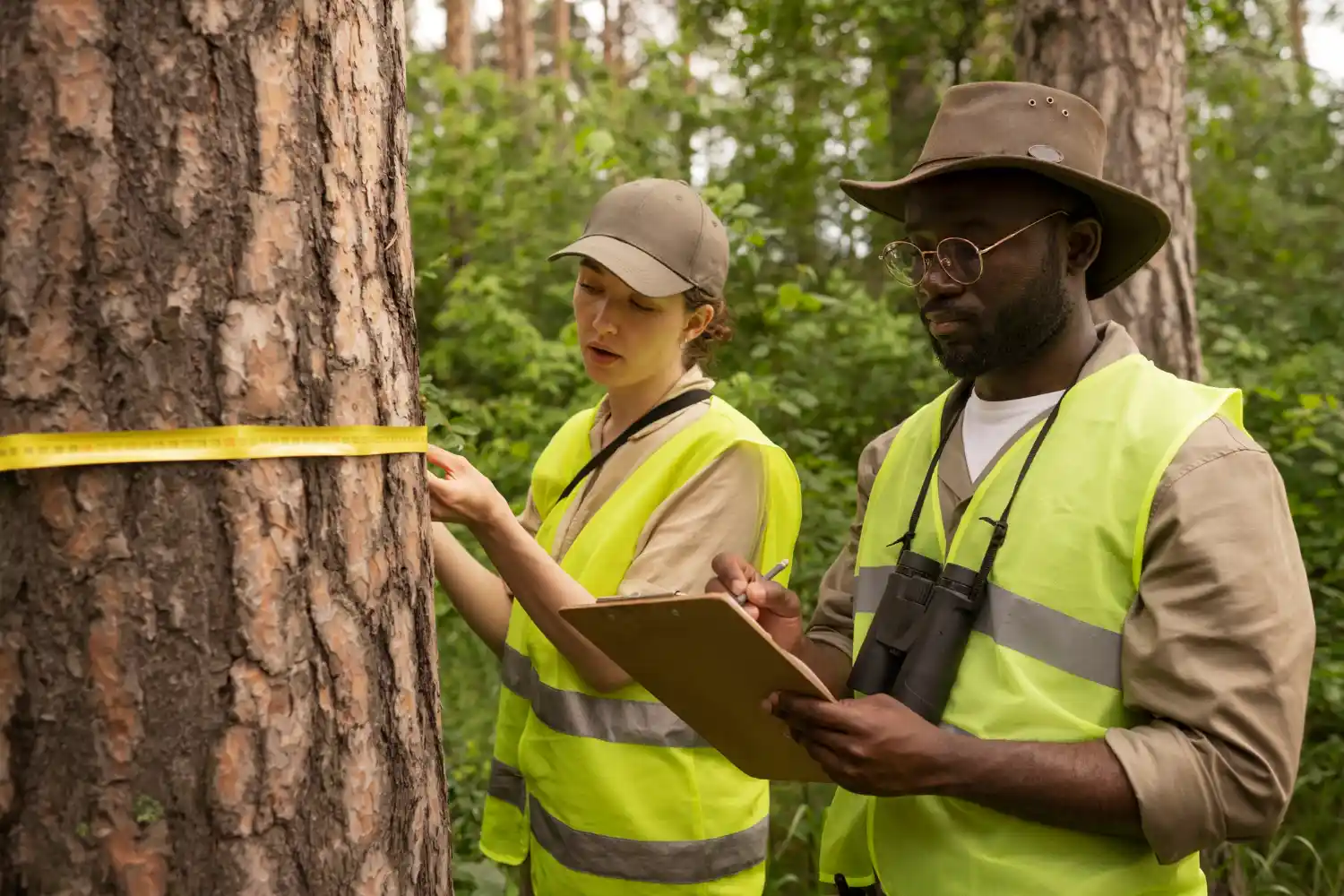
Tax Planning Strategies for Forestry Services Tax Return
Planning ahead can improve your forestry services tax return significantly. Forestry workers and contractors who track forestry operations work expenses throughout the year are better positioned to maximise tax deductions forestry workers can claim. Applying practical logging contractor tax tips before year-end reduces surprises. A structured approach ensures your timber industry tax return remains accurate and financially beneficial.
Australian Tax Deductions Guide for Forestry Workers
Forestry Workers support the management, cultivation, harvesting and protection of forests and timber plantations. Duties include tree planting, thinning, pruning, felling assistance, operating chainsaws and forestry machinery, maintaining access tracks, monitoring forest health, controlling pests and weeds, assisting with fire management, conducting environmental checks, and following strict WHS and forestry compliance procedures. The role requires physical outdoor work, handling high-risk equipment, wearing PPE, using forestry tools, travelling to remote sites, and ongoing safety and skills training.
Typical Tax Deductions Include:
Professional memberships – Forestry, conservation, silviculture, or land management associations
Training, CPD & courses – Chainsaw operation (Levels 1–3), fire management, WHS, first aid, machinery training
Laptop or desktop (> $300) – Depreciated; reporting, training modules, forestry logs; must apportion private use
Small tools – Hand saws, measuring tapes, planting tools (if not employer-supplied)
Reference materials – Forestry manuals, silviculture guides, environmental management resources
Software – Mapping apps, forestry data tools, WHS systems (work-use portion only)
Home-office running expenses – Approved method only; reporting or training completed from home
Work-related travel – Between forest blocks, depots, nurseries, fire control points, and training venues (non-reimbursed only)
Stationery and planning materials – Forestry logs, planting plans, thinning sheets, hazard forms
Professional insurance – Contracting forestry workers (public liability)
Marketing and website costs – Independent plantation contractors
Tax agent and bookkeeping fees – Deductible
Non-Deductible Expenses Include:
Work boots, shirts, gloves, and hats – Private unless employer-branded and compulsory
Chainsaws, PPE, or tools supplied by the employer – Not deductible
Camping or outdoor gear for personal use – Private
Home-office occupancy costs – Rent, mortgage interest, and rates are not deductible
Travel: home ↔ regular forestry depot – Private
General outdoor or fitness courses – Not deductible
Tools used partly for personal property maintenance – Must apportion or exclude private use
Laptop, phone, and internet – 100% claim only if used exclusively for work; otherwise must apportion private use
Click here to see Tax Calculator for Forestry worker.
Frequently Asked Questions
1. When should I review forestry worker tax deductions?
Review forestry worker tax deductions before 30 June to optimise your timber industry tax return.
2. Can advance purchases increase timber harvesting tax deductions?
Eligible pre-June purchases may increase timber harvesting tax deductions legally.
3. Should logging contractors budget for tax?
Yes, logging contractor tax tips recommend setting aside income for tax obligations.
4. How do I separate personal and work costs?
Keep forestry operations work expenses in a dedicated account for clear records.
5. Do small expenses really matter?
Yes, small forestry worker tax deductions add up and improve your forestry services tax return.