Tax Guide for Clothing Manufacturing and Sewing Professionals
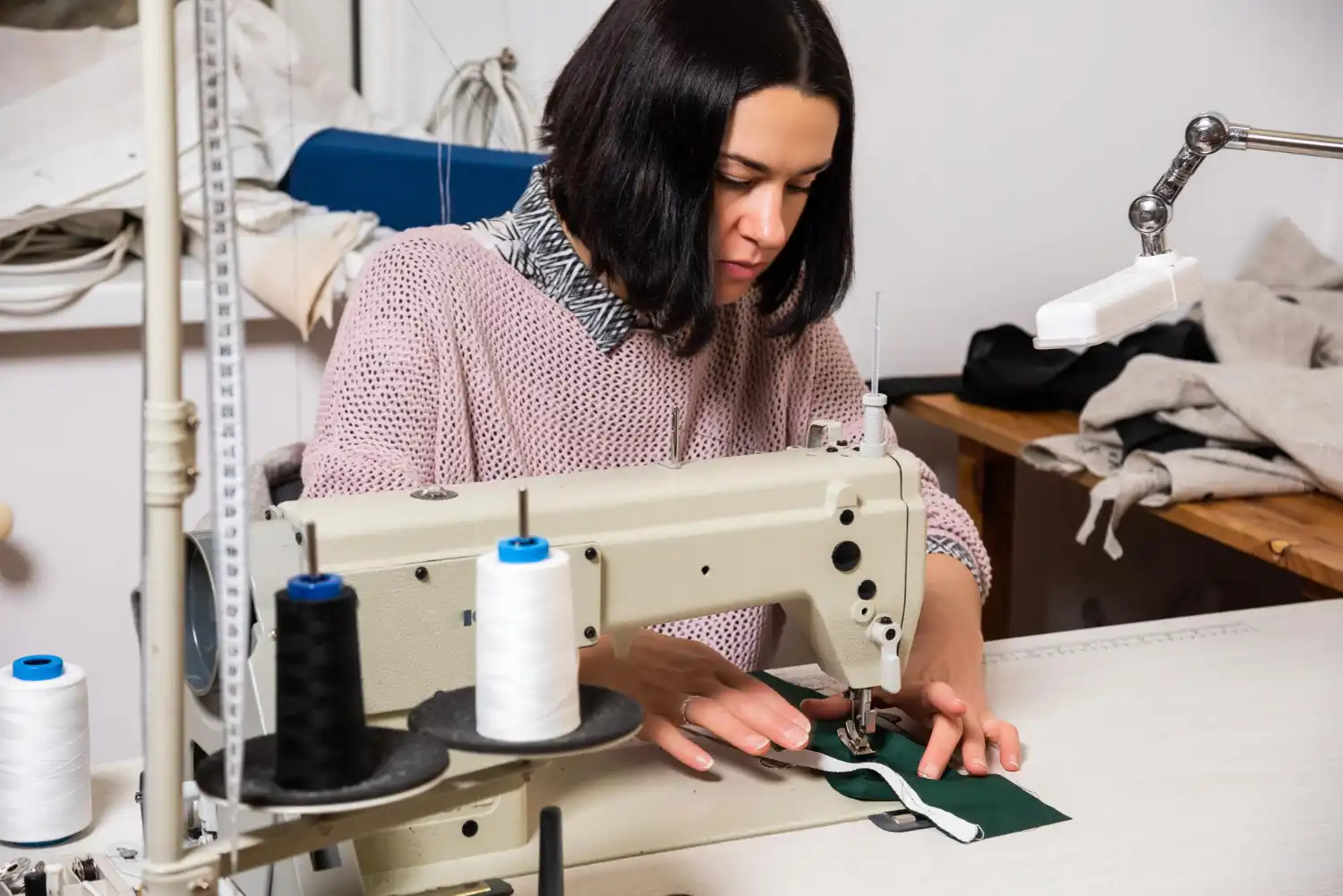
Textile machinists operate industrial sewing machines and related equipment to produce garments, upholstery, soft furnishings, uniforms and textile components. They work in manufacturing workshops, clothing factories, repair shops, upholstery businesses, fashion studios and specialised production facilities. Duties include sewing, cutting, stitching, hemming, pattern following, machine setup, maintenance, quality checks, material handling, and meeting production schedules. The role often requires precision, PPE and specialised tools.
Typical Tax Deductions Include:
- Professional association fees – Textile, clothing, or manufacturing industry groups
- Training & skill development – Industrial sewing, machine maintenance, pattern reading, and WHS
- Tools & equipment – Scissors, rotary cutters, sewing tools, bobbins, and needles (work use only)
- Protective clothing & PPE – Gloves, masks, and protective aprons if required by the employer
- Laundry of protective clothing – Deductible when washing compulsory work gear
- Laptop/tablet (> $300) – Deductible if required for pattern work or production scheduling (depreciate and apportion private use)
- Home-office running expenses – For preparing patterns, training, or documentation from home (approved method)
- Work-related travel – Travel between production sites, training venues, and supplier meetings (not a normal commute)
- Machine maintenance supplies – Oils, cleaning tools, and lubricants (work use only)
- Reference materials – Pattern guides and production manuals
- Phone & internet – Apportion for work-related use such as scheduling or communication
- Professional insurance – Deductible for machinists operating independently or as contractors
Non-Deductible Expenses Include:
- Everyday clothing – Not deductible
- Travel (home ↔ regular workplace) – Private commuting (not deductible)
- Sewing supplies for personal or hobby projects – Private, not deductible
- Home sewing machine – Not deductible unless used predominantly for paid work
- General household tools – Not deductible unless exclusively for work use
- Home-office occupancy (rent, mortgage interest, rates) – Not deductible unless strict ATO rules are met
- 100% claims (tools or devices) – Must apportion for private use
Click here to see Tax Calculator for Textile machinist.